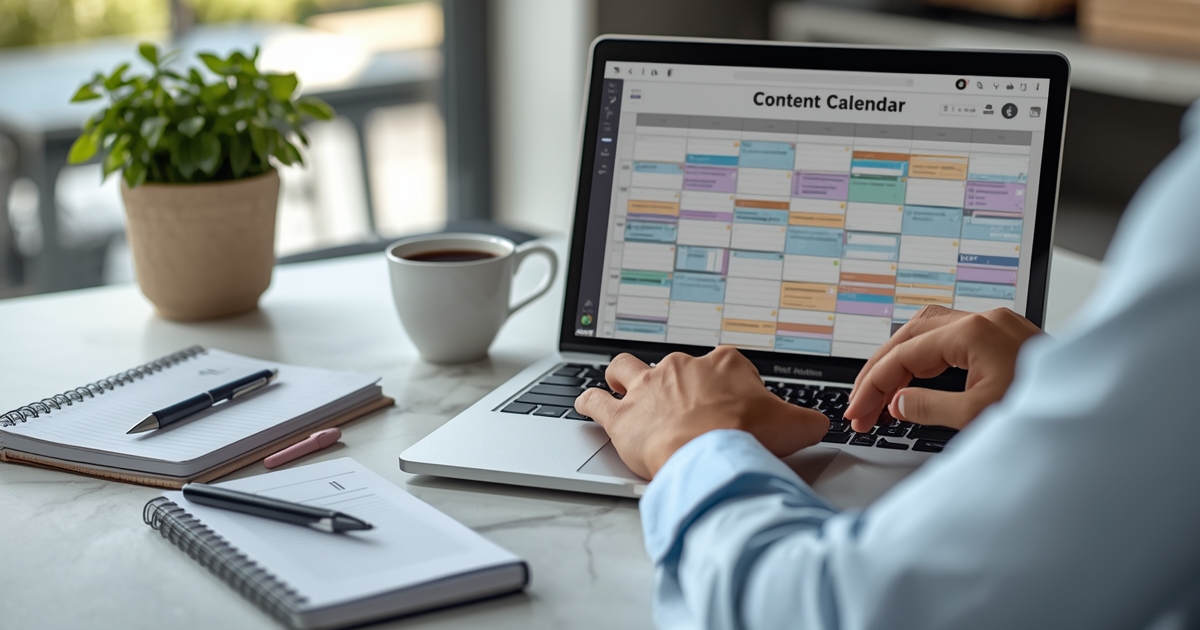
Are you ready to transform your blogging efforts from chaotic to consistent, making 2026 your most impactful year yet? The secret weapon many successful bloggers wield is a meticulously planned and executed content calendar. This invaluable tool not only organizes your publishing schedule but also aligns every piece of content with your strategic goals, ensuring you never miss an opportunity to engage your audience and grow your platform. We’re here to help you unlock this power with our free 2026 content calendar, designed to streamline your workflow and supercharge your blog’s performance.
Why a Content Calendar is Your Blogging Superpower
Imagine a year where every blog post is published on time, perfectly optimized, and strategically aligned with your overarching marketing goals. This isn't a pipe dream; it's the reality a well-structured content calendar creates. For bloggers and content creators, a content calendar acts as a strategic roadmap, guiding every decision and ensuring consistent, high-quality output.
Streamlining Your Content Creation Process
One of the biggest challenges for bloggers is maintaining a consistent publishing schedule without feeling overwhelmed. A detailed content calendar breaks down the entire content creation process into manageable steps. From idea generation and keyword research to drafting, editing, and promotion, every stage is mapped out. This prevents last-minute scrambling and allows for a more thoughtful, deliberate approach to content development.
By pre-planning your topics and deadlines, you can allocate resources more effectively. You'll know exactly what needs to be done and when, making it easier to delegate tasks or manage your own time efficiently. This foresight minimizes stress and maximizes productivity, freeing you up to focus on crafting truly exceptional content.
Achieving Consistency and Authority
Consistency is key to building an engaged audience and establishing authority in your niche. When your readers know they can expect valuable content from you regularly, they are more likely to return and become loyal subscribers. A robust content calendar helps you maintain this steady flow of information, reinforcing your brand's presence and expertise.
Regular publishing signals to search engines that your site is active and relevant, which can positively impact your SEO rankings. Furthermore, a consistent presence builds trust. Your audience comes to rely on you as a go-to source for information, strengthening your brand's reputation and influence over time.
Boosting SEO and Engagement
A strategic content calendar isn't just about organization; it's a powerful SEO tool. By planning your content in advance, you can meticulously integrate target keywords, optimize for search intent, and develop a comprehensive internal linking strategy. This proactive approach significantly enhances your blog's visibility in search engine results.
Moreover, planning allows you to align your content with seasonal trends, trending topics, and specific audience needs. This increases the likelihood of creating highly engaging posts that resonate deeply with your readers. When content is timely and relevant, it encourages shares, comments, and longer dwell times, all of which are favorable signals for SEO and audience growth.
Key Elements of an Effective Content Calendar 2026
To truly unlock the power of your blogging efforts, your content calendar needs to be more than just a list of dates. It must be a dynamic document that incorporates several critical elements. Understanding these components will help you maximize the utility of our free content calendar template for 2026 and tailor it to your specific needs.
Audience Demographics and Interests
At the heart of any successful content strategy is a deep understanding of your audience. Before you even brainstorm topics, clearly define who you're speaking to. What are their pain points, their questions, their aspirations? Your content calendar should reflect a commitment to solving their problems and addressing their interests directly.
Regularly review your audience analytics and feedback to ensure your content remains relevant. Adjusting your calendar based on what your audience responds to most will ensure your efforts are always aligned with their needs, leading to higher engagement and satisfaction.
Content Pillars and Themes
Content pillars are the main categories or overarching themes that define your blog's focus. They provide structure and ensure your content remains cohesive and on-brand. Within your content calendar, map out how different posts will fall under these pillars, ensuring a balanced and comprehensive exploration of your niche.
Themes can be seasonal, event-driven, or educational. For example, a "Summer Health Tips" theme or a "Beginner's Guide to [Topic]" series can provide focus for a specific period. Integrating these themes into your content calendar helps in creating series of posts that build on each other, offering deeper value to your readers.
Keyword Research and SEO Integration
Every piece of content you plan should ideally be backed by thorough keyword research. Identify relevant keywords with good search volume and reasonable competition. Incorporate these keywords naturally into your content calendar, assigning primary and secondary keywords to each post.
Think about search intent as well. Are people looking for informational content, transactional content, or navigational content? Aligning your content with user intent will dramatically improve your chances of ranking. Your content calendar acts as the perfect canvas to plan out your SEO strategy for the entire year.
Content Formats and Distribution Channels
Don't limit yourself to just blog posts. Your content calendar should account for a variety of formats, such as long-form articles, short tips, listicles, tutorials, interviews, or even video scripts. Diversifying your content keeps things fresh for your audience and allows you to repurpose content across different platforms.
Consider your distribution strategy for each piece of content. Will it be promoted on social media, included in an email newsletter, or submitted to content aggregators? Planning these distribution efforts within your content calendar ensures your content reaches the widest possible audience and maximizes its impact.
Editorial Workflow and Deadlines
A content calendar is only as effective as the workflow it supports. Clearly define the stages of your content creation process: ideation, outline, first draft, editing, graphic design, SEO review, scheduling, and publication. Assign clear deadlines for each stage and for each team member involved.
This detailed workflow ensures accountability and keeps your projects moving forward smoothly. Regular check-ins and flexibility to adjust deadlines as needed are also crucial for maintaining momentum and adapting to unforeseen circumstances.
Step-by-Step: Building Your 2026 Content Calendar from Scratch
Creating your content calendar might seem daunting at first, but by breaking it down into manageable steps, you can build a powerful tool for your blogging success. Our free 2026 content calendar provides a robust framework to get you started, but here’s how to populate it with strategic content.
Define Your Blogging Goals
Before any content planning begins, clarify what you want to achieve with your blog in 2026. Are you aiming to increase website traffic, generate leads, build an email list, or establish thought leadership? Your goals will dictate the type of content you create and your overall strategy.
Make your goals SMART: Specific, Measurable, Achievable, Relevant, and Time-bound. For example, "Increase organic traffic by 25% by Q4 2026" is a much more actionable goal than "Get more visitors."
Brainstorm Content Ideas
This is where creativity meets strategy. Gather all your content ideas. Look at what your competitors are doing, what questions your audience is asking, and what industry trends are emerging. Use tools like AnswerThePublic, Google Trends, and keyword research platforms to uncover high-potential topics.
Don't censor yourself during brainstorming; get every idea down. Later, you can filter and prioritize based on relevance, SEO potential, and alignment with your goals. Consider different angles and formats for each idea to diversify your content.
Map Out Key Dates and Events
Integrate important dates into your content calendar. This includes national holidays, industry-specific events, seasonal topics, and any product launches or special promotions you have planned. These dates often provide natural opportunities for timely and relevant content that can capture audience interest.
Planning around these events well in advance allows you to create high-quality, relevant content that leverages trending conversations. For instance, an e-commerce blog might plan gift guides around major holidays, while a tech blog might schedule reviews for new product releases.
Assign Topics and Keywords
Now, start populating your 2026 content calendar. Assign specific topics to various dates, ensuring a balanced mix of evergreen content and timely pieces. For each topic, identify primary and secondary keywords that you will target. Make sure there isn't too much overlap to avoid keyword cannibalization.
Think about the user journey. What content do new visitors need? What content will nurture existing leads? How can you use your content calendar to guide users through your sales funnel?
Schedule Production and Publication
With topics and keywords in place, it’s time to schedule the actual work. Break down each content piece into its various stages (research, outline, first draft, editing, proofreading, image creation, scheduling). Assign realistic deadlines for each stage and allocate tasks if you work with a team.
Regularly review your content calendar to ensure you’re on track. Be prepared to be flexible; sometimes unexpected opportunities or challenges arise that require adjusting your schedule. The goal is to have a living document that adapts to your needs.
Maximizing Your Free Content Calendar Template
Our free 2026 content calendar is designed as a powerful starting point, but its true value comes from how you adapt and integrate it into your unique blogging ecosystem. Think of it as a robust foundation that you can build upon and customize to perfectly fit your brand and workflow.
Customization Tips for Your Unique Brand
While the template offers a comprehensive structure, don't hesitate to personalize it. Add columns for specific metrics you want to track, like conversion rates or social shares. Include sections for content types that are unique to your brand, such as podcasts or video series.
You might also want to color-code different content pillars or stages of development for quick visual identification. The more your content calendar reflects your specific needs and priorities, the more effective it will be as a daily working tool.
Integrating with Your Existing Tools
Consider how your content calendar can integrate with other tools you already use. If you use project management software like Trello, Asana, or Monday.com, look for ways to sync your calendar or use it as the master plan for tasks within those platforms. This prevents duplicate efforts and ensures everyone is working from the same source of truth.
Similarly, think about how it can connect with your SEO tools for keyword tracking, or your email marketing platform for campaign planning. A unified approach will make your entire content operation more efficient and cohesive.
Reviewing and Adapting Your Strategy
A content calendar isn't a static document; it's dynamic and should evolve with your blog and audience. Schedule regular review sessions—monthly or quarterly—to assess what's working and what isn't. Look at your analytics: which posts performed best? Which topics resonated most?
Use these insights to refine your strategy for the upcoming months. Don't be afraid to pivot if certain content types aren't performing, or if new opportunities arise. An adaptable content calendar is a successful content calendar.
Common Pitfalls and How to Avoid Them
While a content calendar is an incredible asset, there are common mistakes bloggers make that can hinder its effectiveness. Being aware of these pitfalls can help you navigate around them and ensure your 2026 content calendar remains a powerful tool.
Overcommitment and Burnout
It’s easy to get excited and plan an overly ambitious publishing schedule, especially with a fresh content calendar. However, committing to too many posts too frequently can quickly lead to burnout and a drop in content quality. Be realistic about your capacity and the resources you have.
Start with a sustainable schedule and gradually increase your output if you find you have more bandwidth. Quality always trumps quantity, and a consistent, manageable schedule is far better than an erratic, overly ambitious one.
Neglecting Audience Feedback
Your audience is your most valuable resource for content ideas and validation. Ignoring their comments, questions, and engagement patterns is a missed opportunity. Regularly review your blog comments, social media interactions, and email replies for insights.
Make sure your content calendar has room for responsive content that addresses immediate audience needs or popular questions. This shows your audience you're listening and makes your content even more relevant to them.
Sticking to the Plan Too Rigidly
While planning is crucial, a content calendar should not be an inflexible prison. The digital landscape is constantly changing, with new trends, news, and opportunities emerging rapidly. Being too rigid with your pre-planned schedule can cause you to miss out on timely, high-impact content opportunities.
Build flexibility into your calendar. Reserve some slots for agile content creation, allowing you to react quickly to breaking news or viral trends that align with your niche. A successful content calendar is one that can adapt.
Final Thoughts on Your Best Blog Year Yet
Embracing a content calendar is more than just organizing your posts; it's about adopting a strategic mindset that elevates your entire blogging operation. It empowers you to create with purpose, publish with consistency, and engage with impact. By leveraging our free 2026 content calendar, you're not just planning content—you're charting a course for unprecedented growth and influence.
Take this opportunity to transform your approach, eliminate guesswork, and consistently deliver the valuable content your audience craves. Download our free 2026 content calendar today and start building the foundation for your most successful blogging year ever. Don't just blog; strategize, execute, and dominate your niche. Ready to get started? Grab your free template now and subscribe to our newsletter for more exclusive resources and insights!
Frequently Asked Questions
What is a content calendar?
A content calendar is a detailed schedule used by content creators and marketers to plan and organize all content production and publication. It typically includes information like topics, keywords, authors, deadlines, and distribution channels for each piece of content.
Why is a content calendar important for bloggers?
For bloggers, a content calendar ensures consistency, helps in maintaining an organized workflow, allows for strategic SEO planning, and facilitates the creation of diverse and relevant content. It prevents last-minute content creation stress and helps achieve blogging goals.
How often should I update my content calendar?
While your content calendar provides a yearly overview, it's beneficial to review and update it at least monthly or quarterly. This allows you to adjust to new trends, audience feedback, and unforeseen changes, ensuring your content strategy remains agile and effective.
Can a content calendar improve my blog's SEO?
Absolutely. A content calendar is a powerful SEO tool. It enables you to plan keyword integration, optimize for search intent, schedule content around trending topics, and maintain a consistent publishing schedule, all of which are crucial factors for improving search engine rankings.
What tools are best for managing a content calendar?
Many tools can be used to manage a content calendar, ranging from simple spreadsheets (like our free template) to dedicated project management software such as Trello, Asana, Monday.com, or specialized editorial calendar tools like CoSchedule and Loomly. The best tool depends on your team size and specific needs.