The digital landscape is constantly evolving, and for content creators, understanding how to effectively generate revenue from their online presence is more crucial than ever. In 2026, blog monetization is no longer a luxury but a necessity for sustainable growth and influence. This comprehensive guide will equip you with the most potent strategies to unlock your blog's full financial potential, transforming your passion project into a thriving, income-generating asset. We'll dive deep into actionable methods, from tried-and-true techniques to innovative approaches, ensuring your blog doesn't just attract readers but also delivers significant returns.
Navigating the Evolving Landscape of Blog Monetization in 2026
The world of online content is dynamic, and successful blog monetization requires a keen understanding of current trends and future predictions. What worked five years ago might not be as effective today, and staying ahead of the curve is paramount. In 2026, audience engagement, authenticity, and diversified income streams are the cornerstones of a profitable blog.
One major shift is the move away from solely relying on display ads. While still a viable option, readers are increasingly ad-blind or using ad-blockers. This pushes content creators to explore more integrated and value-driven blog monetization strategies. From premium content to direct sales, the opportunities are abundant for those willing to innovate and understand their audience deeply.
Understanding Your Audience for Optimal Monetization
Before implementing any strategy, a profound understanding of your target audience is non-negotiable. Who are they? What are their pain points, interests, and purchasing habits? The answers to these questions will guide your blog monetization efforts, ensuring that the products, services, or content you offer genuinely resonate with your readership.
- Demographics: Age, location, income level, education.
- Psychographics: Values, attitudes, interests, lifestyles.
- Behavioral Data: How they interact with your content, what they click on, what they share.
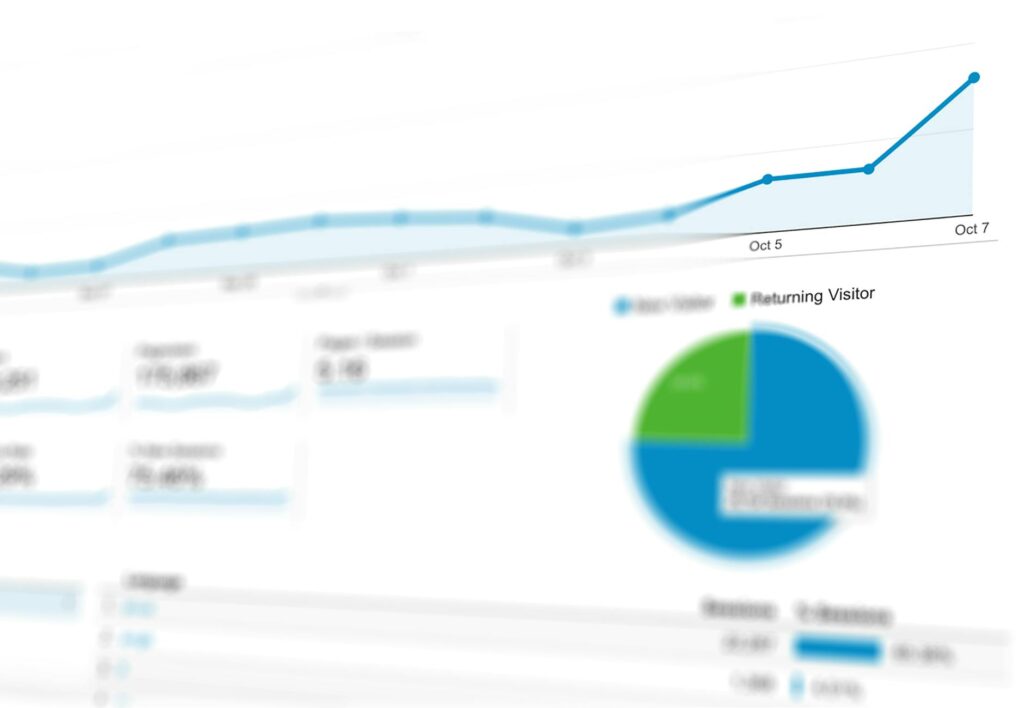
Leveraging analytics tools is essential here. Google Analytics, social media insights, and even direct surveys can provide invaluable data. The more you know about your audience, the better you can tailor your blog monetization approaches to meet their needs and desires, leading to higher conversion rates and greater revenue.
Affiliate Marketing: A Timeless Strategy for Blog Monetization
Affiliate marketing remains one of the most popular and effective forms of blog monetization. It involves partnering with brands and promoting their products or services. When your readers make a purchase through your unique affiliate link, you earn a commission. This model works because it leverages your authority and trust with your audience to drive sales for your partners.
Success in affiliate marketing hinges on promoting products that you genuinely believe in and that are relevant to your niche. Authenticity is key; your audience will quickly discern if you're promoting something solely for the commission rather than its value. Focus on building trust, and your affiliate income will follow.
Choosing the Right Affiliate Programs
The sheer number of affiliate programs can be overwhelming. To maximize your blog monetization through this channel, it's crucial to select programs that align with your content and audience.
- Relevance: Are the products or services directly relevant to your blog's niche?
- Commission Rates: Do the programs offer competitive commission percentages?
- Reputation: Is the merchant reputable? Do they have good customer service?
- Cookie Duration: How long does the cookie last? Longer durations increase your chances of earning a commission.
- Support: Does the program offer good support and resources for affiliates?
Popular platforms like Amazon Associates, ShareASale, CJ Affiliate, and ClickBank offer a vast array of products across various niches. Direct partnerships with brands can also be highly lucrative once your blog gains significant traction. Always disclose your affiliate relationships clearly, building transparency and trust with your audience.
Advertising and Sponsorships: Maximizing Your Blog's Ad Revenue
Display advertising and direct sponsorships are traditional, yet still powerful, methods of blog monetization. While ad-blockers are prevalent, strategic ad placement and high-quality ad networks can still generate substantial income, especially for blogs with significant traffic. Direct sponsorships, on the other hand, offer more control and often higher payouts for specific campaigns.
The key to successful ad-based blog monetization in 2026 is balancing user experience with revenue generation. Overwhelming your readers with too many intrusive ads can drive them away. Opt for fewer, higher-quality ads that are relevant to your content and integrated seamlessly.
Working with Ad Networks
Ad networks act as intermediaries between publishers (bloggers) and advertisers. They handle the technical aspects of ad placement, optimization, and payment. For many bloggers, ad networks are the easiest way to start generating passive income from traffic.
- Google AdSense: A good starting point for new blogs, easy to implement, but generally lower RPMs (Revenue Per Mille/Thousand impressions).
- Mediavine: Requires higher traffic (typically 50,000 sessions/month) but offers significantly better RPMs, optimized ad placements, and excellent support.
- Ezoic: Uses AI to optimize ad layouts and placements, potentially increasing revenue for blogs with varying traffic levels.
- AdThrive: Similar to Mediavine, offering premium ad optimization and requiring high traffic (typically 100,000 pageviews/month).
Choosing the right ad network can significantly impact your blog monetization. As your traffic grows, consider upgrading to premium networks for better returns and a more refined ad experience for your readers.
Securing Direct Sponsorships and Branded Content
Direct sponsorships involve brands paying you to create content that promotes their products or services. This can take many forms: sponsored posts, product reviews, social media mentions, or even brand ambassadorships. Sponsored content often offers higher payouts than display ads and allows for more creative freedom.
To attract sponsors, you need a strong media kit that showcases your blog's traffic, audience demographics, engagement rates, and previous successful collaborations. Niche authority is highly valued by brands, as it ensures their message reaches a highly targeted and receptive audience. Always maintain editorial integrity and disclose sponsored content clearly to uphold reader trust.
Comparison of Blog Monetization Platforms and Tools
Different monetization strategies often rely on specific platforms or tools. Understanding their strengths and weaknesses can help you choose the best fit for your blog and audience in your journey of blog monetization.
| Platform/Method | Price/Cost | Pros | Cons | Best For |
|---|---|---|---|---|
| Google AdSense | Free to use (revenue share) | Easy setup, good for beginners, passive income. | Lower RPMs, less control over ad types, can be intrusive. | New blogs with growing traffic, general content. |
| Mediavine/AdThrive | Free to use (revenue share) | High RPMs, excellent ad optimization, strong support. | High traffic requirements, rigorous application process. | Established blogs with significant, consistent traffic. |
| Amazon Associates | Free to join (commission-based) | Vast product selection, trusted brand, easy integration. | Low commission rates for some categories, short cookie duration. | Review sites, blogs focused on physical products. |
| Shopify (for selling products) | Starts at $29/month + transaction fees | Robust e-commerce platform, easy store setup, scalability. | Monthly subscription cost, requires product creation/sourcing. | Bloggers selling their own digital/physical products, courses. |
| Patreon (for subscriptions) | 5-12% commission on earnings | Direct community support, recurring revenue, creative freedom. | Requires consistent exclusive content, audience building. | Artists, creators offering exclusive content or community access. |
Selling Your Own Products and Services: The Ultimate Control
For ultimate control over your income and offerings, selling your own products and services is a powerful blog monetization strategy. This method allows you to capture 100% of the revenue (minus platform fees) and build a direct relationship with your customers. It requires more upfront effort in creation and marketing, but the long-term rewards can be substantial.
Your blog serves as the perfect platform to showcase your expertise and build trust, making your audience more receptive to purchasing your proprietary offerings. This could be anything from digital products to physical goods, or even personalized services.
Digital Products: E-books, Courses, and Templates
Digital products are a fantastic option for blog monetization due to their scalability and high-profit margins. Once created, they can be sold repeatedly without additional inventory costs. They leverage your existing knowledge and package it into a valuable resource for your audience.
- E-books: Share in-depth knowledge on a specific topic.
- Online Courses: Provide structured learning experiences, often commanding higher prices.
- Printables & Templates: Offer practical tools like planners, checklists, or design templates.
- Stock Photos/Graphics: If you're a designer or photographer, sell your assets.
Platforms like Gumroad, Teachable, Thinkific, or even integrating a simple e-commerce solution on your WordPress site make selling digital products straightforward. Promote them strategically within your content and through dedicated landing pages.
Services: Coaching, Consulting, and Freelancing
If your expertise lies in providing personalized assistance, offering services can be a highly lucrative form of blog monetization. Your blog acts as your portfolio and a powerful lead-generation tool, attracting clients who already trust your authority on a given subject.
- Coaching: One-on-one guidance in your area of expertise (e.g., business, fitness, life skills).
- Consulting: Providing expert advice to businesses or individuals on specific projects or strategies.
- Freelancing: Offering your skills (writing, web design, SEO, social media management) to clients.
Clearly define your services, pricing, and availability on a dedicated "Hire Me" or "Services" page. Leverage testimonials from satisfied clients to build social proof and further your blog monetization efforts.
Subscription Models and Premium Content: Building a Loyal Community
As audiences seek deeper connections and exclusive value, subscription models and premium content are becoming increasingly effective for blog monetization. This strategy focuses on offering exclusive access to content, tools, or community features for a recurring fee, fostering a loyal and engaged readership that directly supports your work.
This approach transforms casual readers into committed patrons, providing a stable and predictable income stream. It's about offering something truly unique that free content cannot provide, justifying the recurring cost to your most dedicated fans.
Creating Exclusive Member-Only Content
The core of any subscription model is exclusive content that provides significant value beyond what's freely available. This can take many forms, tailored to your niche and audience.
- In-depth tutorials: More detailed guides or advanced strategies.
- Private podcasts/videos: Behind-the-scenes content, interviews, or extended discussions.
- Premium articles/reports: Market analysis, trend reports, or exclusive research.
- Resource libraries: Downloadable templates, tools, or asset packs.
- Early access: Provide subscribers with content before it's publicly released.
Platforms like MemberPress (for WordPress), Patreon, or Substack make it relatively easy to set up and manage subscription tiers. Clearly articulate the benefits of joining to potential subscribers, emphasizing the unique value proposition that drives this form of blog monetization.
Building a Thriving Community through Memberships
Beyond content, many successful subscription models center around community. People are willing to pay for access to like-minded individuals, expert interaction, and a sense of belonging. A membership site can facilitate this by providing a dedicated space for interaction.
- Private forums: A safe space for members to discuss topics, ask questions, and network.
- Live Q&A sessions: Direct access to you or other experts in your field.
- Exclusive workshops: Interactive learning opportunities.
- Networking events: Virtual or in-person gatherings for members.
The community aspect not only boosts blog monetization but also enhances loyalty and reduces churn. When members feel connected and supported, they are more likely to remain subscribers for the long term, creating a sustainable income source.
Diversifying Your Income Streams: The Key to Sustainable Blog Monetization
Relying on a single source of income for your blog is risky. Market changes, algorithm updates, or shifts in consumer behavior can drastically impact your revenue overnight. The most resilient and profitable blogs employ a diversified approach to blog monetization, combining several strategies to create multiple income streams.
Think of your blog as a business with various departments, each contributing to the overall success. While one strategy might perform exceptionally well, another might provide a steady baseline, and a third could be a growth area for the future. This multi-faceted approach ensures stability and maximizes your earning potential.
Combining Multiple Monetization Strategies
There's no rule that says you can only pick one blog monetization method. In fact, combining them often leads to the best results. For example:
- A tech review blog might use affiliate links for products, display ads for passive income, and sponsored posts for higher-value collaborations.
- A food blog could monetize through an e-cookbook (digital product), premium recipes (subscription), and relevant kitchenware affiliate links.
- A personal finance blog could offer a paid course, private coaching (service), and promote financial tools (affiliate marketing).
The key is to integrate these strategies seamlessly without overwhelming your audience or diluting your brand message. Each method should complement the others, offering different avenues for your audience to engage and support your work. A thoughtful approach to blog monetization ensures that your blog can weather various economic conditions and continue to thrive.
Charting Your Course to Profitability
Successfully navigating the world of blog monetization in 2026 requires a strategic blend of understanding your audience, embracing diverse income streams, and consistently providing value. From the passive income of affiliate marketing and display ads to the direct control of selling your own products and the loyalty-driven model of subscriptions, the opportunities are vast. The most important takeaway is to start, experiment, and adapt. Your blog's full potential awaits your strategic efforts. Don't wait; begin implementing these strategies today to transform your blog into a powerful revenue-generating asset that stands the test of time.
Frequently Asked Questions
What is blog monetization?
Blog monetization refers to the process of generating revenue from your blog. It involves various strategies, such as displaying advertisements, promoting affiliate products, selling your own digital or physical products, offering services, or creating subscription-based content, to turn your blog into a profitable venture.
How long does it take to start making money from a blog?
The timeline for blog monetization varies widely. Some bloggers might see initial income within a few months, while for others, it could take a year or more to generate substantial revenue. Factors like niche, content quality, SEO efforts, traffic volume, and chosen monetization strategies all play a significant role. Consistency and patience are key.
Is display advertising still a viable blog monetization strategy in 2026?
Yes, display advertising remains a viable blog monetization strategy, especially for blogs with high traffic. While ad-blockers are a challenge, premium ad networks like Mediavine and AdThrive offer optimized placements and higher RPMs. The key is to balance ad load with user experience to prevent reader fatigue and maintain site speed.
Should I focus on one monetization strategy or diversify?
Diversifying your blog monetization strategies is almost always recommended. Relying on a single income stream makes your blog vulnerable to market changes or platform policy updates. Combining multiple methods (e.g., affiliates, ads, and your own products) creates a more stable and robust income foundation, maximizing your earning potential and resilience.
What are the best products to sell for blog monetization?
The "best" products to sell depend entirely on your blog's niche and audience. Generally, digital products like e-books, online courses, printables, and templates are highly scalable and have excellent profit margins. Services like coaching or consulting are also lucrative if you have specialized expertise. Physical products can work but require more logistical management.